
The Siri AI Promise That Cost Apple $250 Million
On May 7, 2026, Apple made history—but not the kind they wanted. The tech giant agreed to pay $250 million to settle a massive class-action lawsuit over false advertising. This marks one of the largest consumer payouts in Apple’s history.
The problem? Apple talked big about Siri’s AI upgrade in 2024, but when people bought the new iPhones, the features were missing.
If you bought an iPhone 16, iPhone 15 Pro, or iPhone 15 Pro Max in the US during a specific time window, you could be owed money. Here is everything you need to know about the settlement, who gets paid, and why Apple is paying the price for a promise it could not keep.
What Went Wrong: The 2024 WWDC Promise
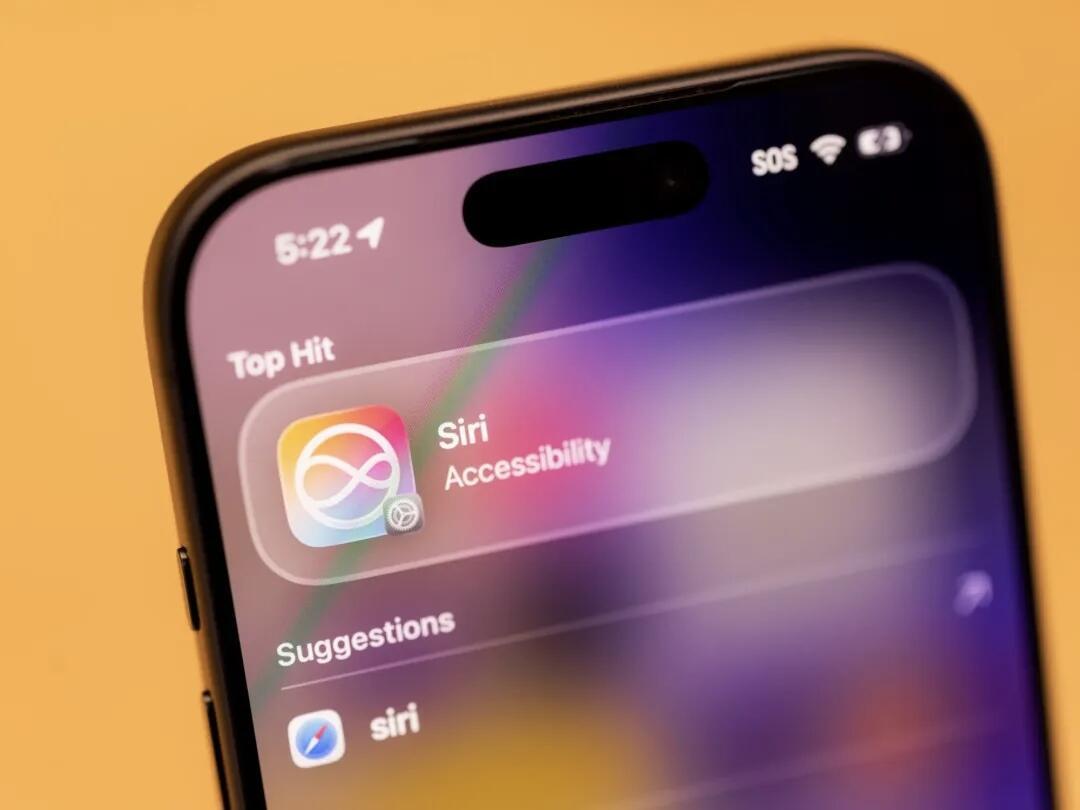
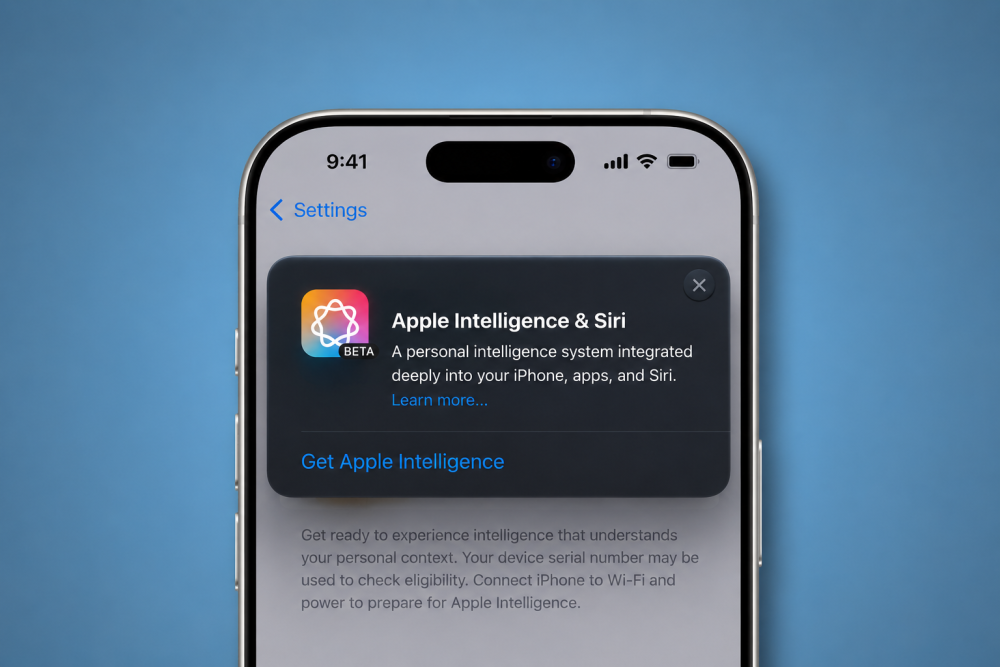
To understand the lawsuit, we need to go back to June 2024. At Apple’s Worldwide Developers Conference (WWDC), the company made a huge bet on artificial intelligence. They announced Apple Intelligence—a new AI system that would transform Siri into a super-smart assistant.
Apple showed off amazing features on stage:
- Siri would understand context and remember previous conversations
- It could control apps for you (booking flights, writing emails)
- It would read your personal data to give better answers
- It could have natural, flowing conversations like ChatGPT
Most importantly, Apple promised these features would launch in fall 2024 alongside the new iPhone 16 series. They marketed the AI upgrade as the main reason to buy the new phone.
Millions of Americans believed the hype. Many skipped buying other phones and waited months specifically for the iPhone 16. Some even sold their old phones early to afford the new “AI-powered” device.
But when the iPhone 16 hit stores in September 2024, the new Siri was nowhere to be found. The phones had some basic AI features, but the “revolutionary” Siri upgrade Apple had advertised was completely missing.
The Lawsuit: False Advertising or Just Delayed?
Angry customers did not stay quiet. A group of iPhone buyers filed a class-action lawsuit accusing Apple of false advertising and unfair competition.
Their argument was simple: Apple sold a product using features that “did not exist and could not be delivered in the near future.” For many buyers, the smarter Siri was the main reason they spent $1,000 or more on a new phone. If they had known the AI was not ready, they might have bought a cheaper phone or waited another year.
After more than a year of legal battles, Apple decided to settle. In May 2026, they agreed to pay $250 million to make the case go away.
Important: Apple did not admit they did anything wrong. In their official statement, they said they settled simply to avoid long, expensive court fights so they could focus on making products instead.
Who Gets Paid? The Eligibility Rules
Not every iPhone owner gets a check. The settlement has specific rules about who qualifies for the money.
You can claim money if you:
- Bought your phone between June 10, 2024, and March 29, 2025
- Purchased it in the United States (international buyers are not included)
- Own one of these models:
- iPhone 16 (any version)
- iPhone 16 Plus
- iPhone 16 Pro
- iPhone 16 Pro Max
- iPhone 15 Pro
- iPhone 15 Pro Max
How many phones are affected? About 37 million devices fit these criteria.
How Much Money Will You Get?
The payout depends on how many people actually file claims.
- Minimum payment: $25 per device
- Maximum payment: $95 per device (about 648 Chinese yuan)
Here is how it works: If only a small number of people file claims, the remaining money gets split among those who applied, pushing the payment up to $95. If millions of people apply, everyone gets closer to the $25 base amount.
Apple will contact eligible users through email. You will also be able to file a claim on a special website that will be set up soon. Keep your receipt or proof of purchase handy, though Apple may verify eligibility using your device serial number.
Why Did Apple Make This Mistake?
How does a company as smart as Apple end up paying $250 million for broken promises?
The answer lies in the AI race. In 2024, every tech company was panicking about artificial intelligence. ChatGPT had shocked the industry, and Google was adding AI to everything. Apple felt pressure to show they were not behind.
At WWDC 2024, Apple needed a big story. They promised Siri features that their engineers had not finished yet. They believed they could build the technology by fall 2024, but they were wrong.
This is a classic case of “fake it until you make it” backfiring. Apple marketed future technology as if it already existed, and consumers paid the price.
Where Is Siri AI Now?
As of May 2026, Apple is still behind its competitors. While Google and Samsung have fully functional AI assistants on their phones, Apple’s “Apple Intelligence” is still rolling out slowly.
Apple promises that the real Siri upgrade will finally appear at WWDC 2026 (June 2026), nearly two years after they first announced it. For the millions who bought iPhone 16 hoping for a smart assistant, that wait has been frustratingly long.
For Apple, the $250 million lesson is clear: in the race to win the AI wars, honesty matters more than hype.